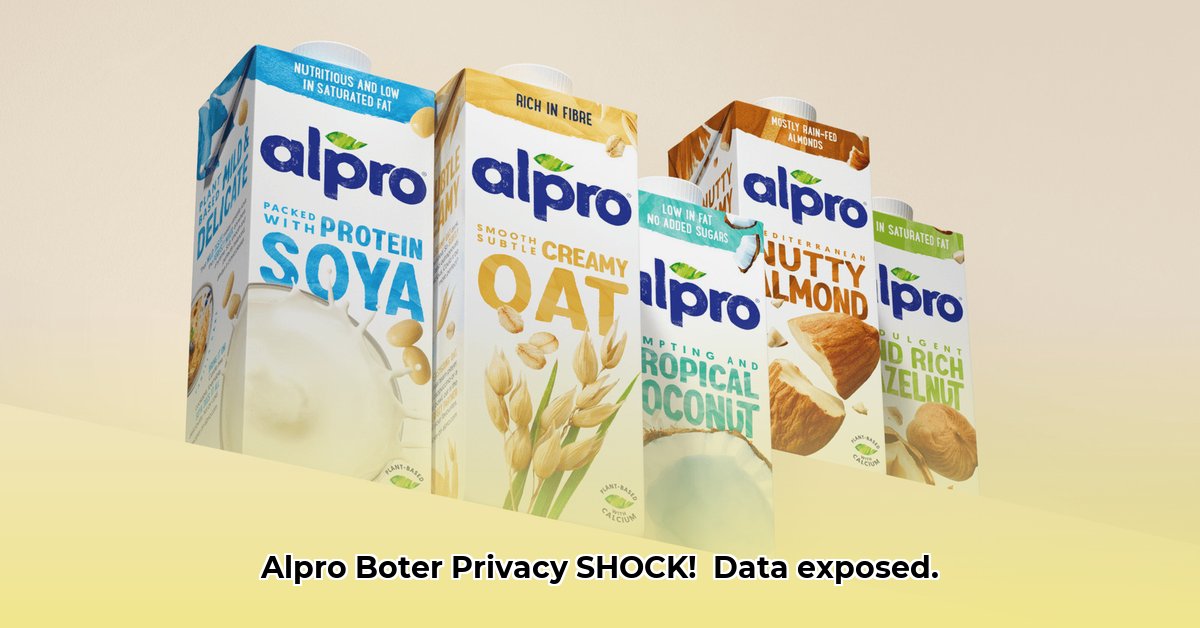
Unpacking Albert Heijn's Data Collection: A Creamy Deception?
We all enjoy the gemak of online grocery shopping, but have you considered the price of convenience? This investigation delves into Albert Heijn's (AH) data practices, particularly concerning the seemingly innocuous purchase of Alpro Boter, to reveal the extent of data collection and the potential risks involved. We'll examine AH's claims against the reality of their data handling, exploring the transparency (or lack thereof) of their consent mechanisms and the potential vulnerabilities inherent in their system. Ultimately, we aim to empower you, the consumer, to make informed decisions about your digital privacy.
The Data Trail: More Than Just Butter
AH's data collection extends far beyond simply noting your Alpro Boter purchase. They meticulously track your browsing behaviour – every click, every page viewed on their website – generating a comprehensive profile of your shopping preferences. This includes not only what you buy, but how much, how often, and when, creating a detailed picture of your consumption patterns. If you're an AH online account holder, the data collected expands to include personal details such as name, address, and payment information.
This isn't limited to Alpro Boter; it's a universal approach across all your AH purchases. Consider this: every item added to your online trolley contributes another data point to your unique consumer profile. This raises crucial questions: How much of this data is genuinely necessary to facilitate a smooth online shopping experience? And more importantly, how is this data secured and protected against misuse? What guarantees do we have that this data won't be used in ways we don't approve of?
The Cookie Crumble: Consent and Transparency
AH employs a cookie consent mechanism, the ubiquitous pop-up requesting your permission to use cookies. However, the categories – "necessary," "analytical," and "personalized" – lack the specificity needed for informed consent. What precisely constitutes "analytical" data? What data is collected exactly under the banner of "personalized"? How easily can you withdraw your consent? Can you easily identify and remove specific trackers? The system's lack of granularity hinders truly informed user choice.
Furthermore, AH's policy mentions sharing data with partners, but falls short on detailing the identity of these partners and the precise nature of the data shared. This lack of transparency undermines trust and raises serious concerns about data security and potential misuse. It's not about being overly suspicious, but about having the right to know how our personal information is managed. This lack of clarity and control poses a substantial risk to consumers.
Risk Assessment: A Butter-Smooth Deception?
The potential risks associated with AH's data practices are significant. Data breaches, a very real threat in today's digital landscape, could expose your personal information, exposing your financial security and potentially even your identity theft. Insufficient data anonymization – even with the best intentions – could still leave individuals identifiable, especially given the level of detail captured in an individual's purchase history.
Another worry is the potential for intrusive, targeted advertising that can feel unnerving and manipulative. Finally, there’s the risk of non-compliance with data protection regulations. What happens if Albert Heijn fails to comply with relevant laws and regulations?
| Risk Factor | Likelihood | Severity | Mitigation |
|---|---|---|---|
| Data Breaches | High | Very High | Robust security, regular audits, incident response plan |
| Insufficient Data Anonymization | Moderate | High | Advanced anonymization, independent verification |
| Lack of Transparency | High | Medium | Clear policies, easy-to-use user controls |
| Regulatory Non-Compliance | Moderate | Very High | Regular legal reviews, independent compliance audits |
Actionable Steps: Protecting Your Privacy
The concerns detailed above are not merely abstract; they directly impact every online shopper. Change is needed on multiple fronts:
For AH Customers:
- Be informed: Actively manage cookie settings and review AH's privacy policy critically.
- Demand more: Contact AH directly and request greater transparency in their data practices.
- Know your rights: Familiarise yourself with data protection laws and your rights under those laws.
For Albert Heijn:
- Improve Transparency: Provide clear, detailed explanations of data usage and sharing. Implement easy-to-use user controls.
- Prioritize Privacy: Invest in robust cybersecurity measures and privacy-enhancing technologies. Adopt data minimization principles.
- Lead by Example: Demonstrate a commitment to privacy as an industry leader.
For Regulators:
- Strengthen Enforcement: Actively monitor compliance with data protection laws; impose stricter penalties for violations.
- Promote Accountability: Create accessible avenues for consumer complaints and redress.
In conclusion, the issue of data privacy extends far beyond the purchase of Alpro Boter. It’s about protecting our right to privacy in the digital age. We need to hold companies like AH accountable for their data practices and demand higher standards of transparency and data protection. The future of online shopping depends on it.